



|
IN 2005, AUTHOR FINDS MISSING BROTHER |

|
HARD CANDY is a human portrayal of an uncommon nature. No one thing contributes more to its value than its authenticity. You will not find literary frills, polite language, soft corners of prose, soothing seams of dialogue, happy jingles, or joyful songs, and learn about institutional bad guys -- administrators, trusted civil servants, and resident-monitors who deliberately committed atrocities upon helpless children who got away with it because there was legitimate protection for them. On a brighter side, you will find a thread of love that weaves together the entire story; a special devotion shared between my brother and me; how we cared for each other when no one else would; how we understood each other when no one else did; and how we desperately clung to the needed components of love and friendship to survive, together, the horrific reality. |
|
For years I assumed all had changed from when my brother and I were wrongly committed to a mental institution when we were 7 and 8 years old. However, I quickly learned that the atrocities we experienced are still going on—a revelation that pumped iron in my backbone and sulfur into my blood to be the voice for victims suffering under a brutal reign of trusted civil servants.
.
|
|
Until you heal your past, you’ll continue to bleed… bleed… bleed |

|
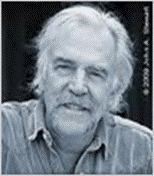
Mr. Carroll’s story may read like fiction, but I can attest that the Hell he describes is no exaggeration. I represented several private psychiatric hospitals, orphanages, and child care facilities, in sex abuse and wrongful death cases. I learned what "positional asphyxia" can do to the body of a child, and how hard it is to find a resident who has wandered away before he freezes. Much of it I'm bound by privilege, but I've seen enough to know that Mr. Carroll's story is true. |
|
|

|
—Author, Laura James, Esq. |
|
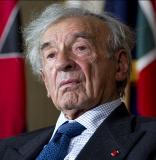
—Eliezer "Elie" Wiesel |
|
1928 — 2016 |
|
Art Kunkin, 1928 — 2019 |
|
There is one thing wrong with this book! If I were the publisher of this book, I would have insisted on titling it A Terrible, Terrible Crime or some other terribly dramatic title so that it would better attract the morbid curiosity of the mass reading public, become a bestseller and help end a terrible crime. This book deserves to be a bestseller! NOTE: We became friends and continued a friendship Founder, Los Angeles Free Press |
|
HARD CANDY is important and brave, comprehensive, real, and ever so true. It opens us to the real culprits of sexual abuse—the people, the secular authorities, to English, Loyola Marymount |
|
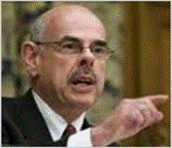
Mr. Carroll, I fully share your view that awareness and education are essential to child abuse — Henry Waxman
|
|
Mr. Carroll, It's evident that you are committed to standing up in the face of injustice--may you continue with that depth of commitment in your writing and all that you do. |

|
AUTHOR’S RADIO AND TELEVISION APPEARENCES |
|
After suffering a decade of abuse, we were released from the state system with barely a third-grade education, left to carry the scars from having been denied my civil liberties, a right to an education, and little semblance of a humane existence—and because there was no habilitation, we floundered for many years within the broad kaleidoscope of human progress, but not together, because the state system separated us, placing us in opposite sides of the state; hence, we lost contact with each other.
|




|
Midwest Book Awards |
|
Hollywood Book Festival Award |



|
BROTHERLY LOVE |

|
and an ally. He’s someone you admire— someone you appreciate. He’s someone you’re happy to call family and grateful to call friend. A brother is many things, but most of all, he’s someone you feel lucky to have in your life. |


|
2005 |
|
2006 |
|
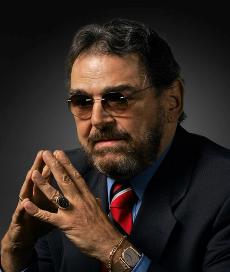
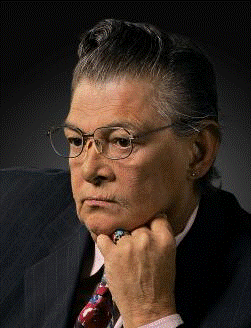
Charles A. Carroll |


|
AUTHOR’S TELEVISION APPEARENCES |


|
The Taylored Word with Taylor, Warwick, New York |

|
Temple View, WRTI (NPR) Temple University
|
|
PENSYLVANIA (Tri-state) |
|
CALIFORNIA (ktlk) |

|
AUTHOR’s RADIO APPEARENCES |
|
The Dr. Firpo Carr Show, (KTLK) Los Angeles, CA |
|
WHY I WROTE THE BOOK |



|
INSPIRED BY THE BOOK, |
|
LOGLINE: Brothers, seven and eight years old, wrongly committed to a state mental institution for ten years, |

|
Contact the author: bearwitnesspress1@gmail.com |

|
THE BOOK THEY WANTED WRITTEN |
|
To read the article in The Star-Leger, click the link below |

|
(The Star-Ledger, May 2, 2021) Why there? ‘Because we belong buried with the victims‘ |


|
|











|
IT HAPPENS TO BOYS, too |

|
shared between my brother and me; how we cared for each other when no one else would; how we understood each other when no one else did; and how we desperately clung to the needed components of love and friendship to survive, together, the horrific reality. |
|
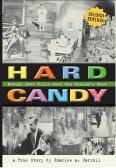
Nevertheless, craving an education, I entered adult night classes at Hollywood High School. I quickly earned a high school diploma and then enrolled at Los Angeles City College and earned an Associate Arts Degree. Not satisfied with my education, I transferred to California State University for another two years, majoring in sociology, with a minor in psychology. After college, I decided to go into business for myself. I took the State electrical Licensing Test, passed, opened an electrical contracting company in Hollywood, California, and financially subsisted on that business for nearly 30 years. In 1989, I officially closed my business, deciding to devote the rest of my life to help and protect the developmentally disabled, first by investigating state residential institutions and group homes across the country to determine whether residents were treated any better than when I was institutionalized. Having learned they were not, I set out to write my book, HARD CANDY, with the hope of providing a voice for those too helpless to help themselves. |
|
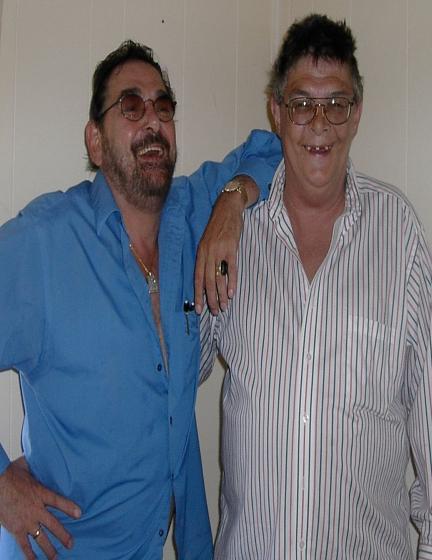
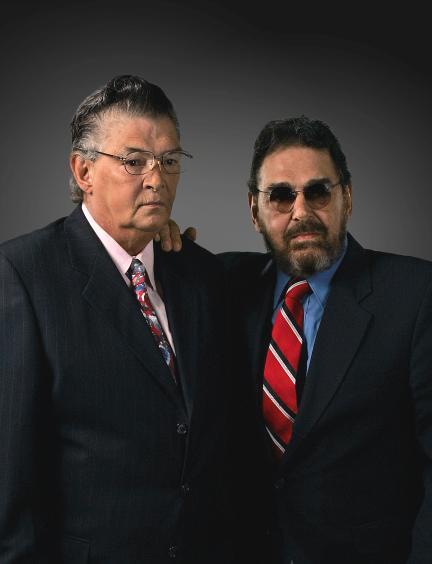
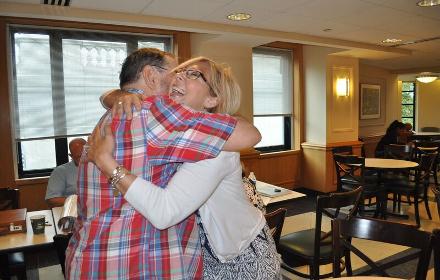
In 2005, I found my missing of more than 46 years, learning his struggle equaled my suffering at overcoming the side effects of child abuse. But however challenging our life's journey, we were not quitters. Like wild horses, we refused to be broken — and that is the essence and strength of our remarkable story of survival, but there’s more. Bear in mind, what happened to my brother and me stained our psychology, wreaked havoc with our spirit, and incubated an emotional worm that drilled holes in and out of our psyches until figuratively, what was left of my psychology resembled the appearance of Swiss cheese. For years, I had to fight off the sexual predators of the past, who repeatedly raped me over and over again in my photographic memory, also having to deal with the lingering side effects of gender issues, sexuality, masculinity, bonding, trusting others, and a host of other psychological problems mandated by having been repeatedly abused when I was a kid. |


|
ALL CREDIT AND DEBIT CARDS ACCEPTED — PAYPAL SAFE
|
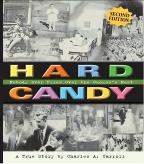

|
29.95 9.95 9.95 9.95 |

|
For your |

|
HARD COPY SIGNED |
|
Pedophiles wear a charming mask Never Take Your Eyes Off Your Kids |

|
A SHOCKING AMERICAN TRAGEDY |
|
I should know. It happened to me. |



|
HELP ME |
|
Donate $100.00 or more to help those without a voice and get a signed copy of the book, plus other related materials. |
|
Federal Tax ID
|
Barnes & Noble |

|
Website Hits |
|
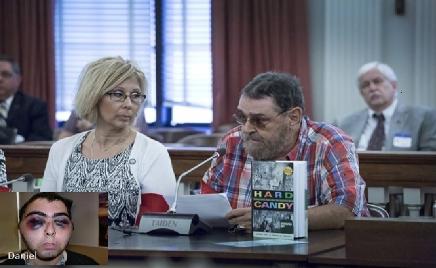
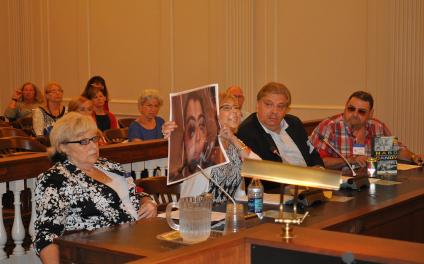
TRENTON, NEW JERSEY - MONDAY, SEPT. 19, 2016 |